The Catch-Up Session Is Not a Reset Button
A catch-up session after missed sports practice can turn absence into pressure. Learn why returning to the next planned session is often the steadier choice.
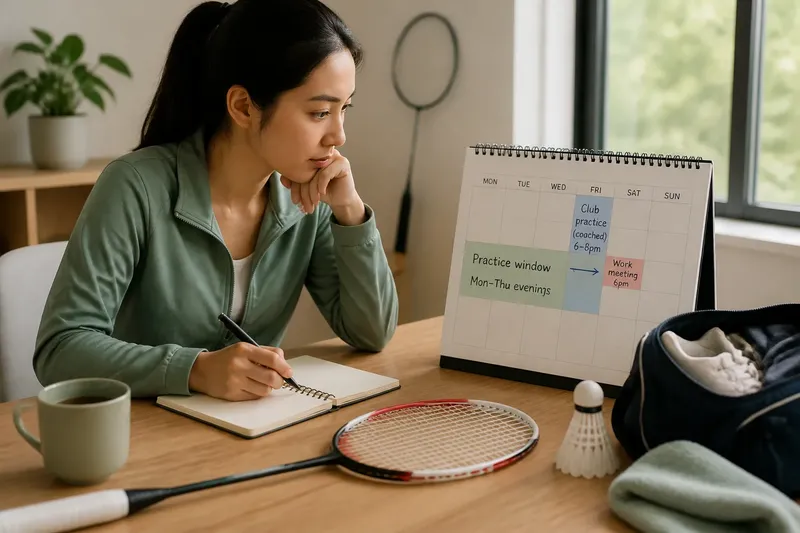
You miss Tuesday practice because work runs late, then spend Wednesday night trying to fit the drills into your living room. That extra session may feel like repayment, but it can turn one ordinary absence into a new obligation. A catch-up session after missed sports practice is not always useful; often, the next planned practice is a better place to begin again.
What does a missed practice actually change?
A practice session is one opportunity to work on a skill, share time with teammates, or follow a coach’s plan. Missing it means you missed that particular opportunity. It does not automatically create a debt that must be paid back before you are allowed to take part again.
This distinction matters because sport is usually organized around recurring sessions, not a personal ledger. A club may move through drills or team tasks while you are away, but your return can still start with the activity taking place now. The coach can tell you what is relevant to know without recreating everything you missed.
Some sessions do build on earlier work. If your group is preparing a routine, learning a play, or practicing with assigned partners, an absence may leave you unsure of the current plan. That is a reason to ask for a short orientation, not necessarily to reproduce the whole session alone.
Why can catch-up practice create more pressure?
Make-up practice can crowd a sport into the very time that made attendance difficult in the first place. If a late workday kept you from training, squeezing in a strenuous session afterward may leave less room for sleep, family responsibilities, or simply recovering from the day.
It can also blur the purpose of practice. A player who arrives focused on “making up” missed work may judge the next session as a test of whether they have caught up. Ordinary rustiness then feels like evidence of failure, rather than a familiar part of returning after a break.
That does not mean every extra session is a bad idea. A gentle individual activity might be enjoyable or fit naturally into the week. The useful question is whether you want to do it for its own sake, or feel compelled to do it as a penalty for having missed club practice.
How can you return without trying to repay the absence?
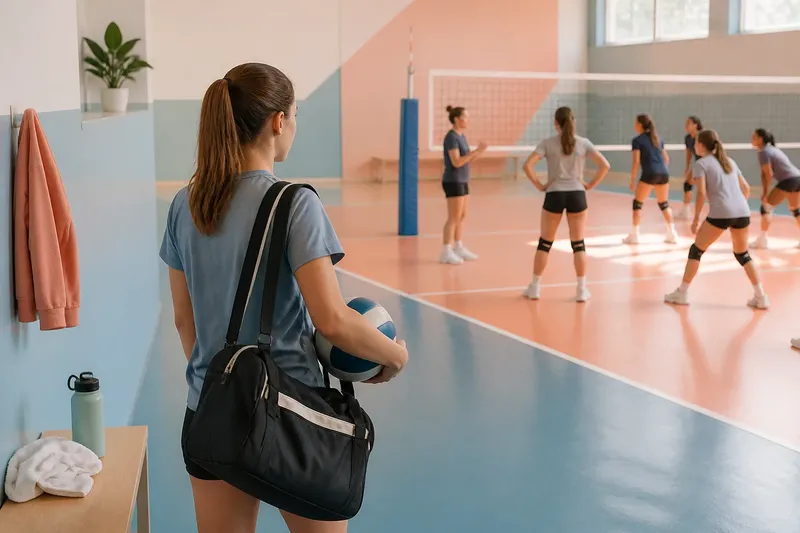
Treat the next planned session as a fresh, ordinary entry point. Check the club’s current schedule, bring the usual equipment, and arrive ready to join the activity underway. You do not need to announce an elaborate explanation; a brief “I missed the last practice—what should I know today?” is enough in many settings.
If the session has a warm-up or introductory drill, take part at a comfortable pace and notice how your body feels. If your group is already working on a sequence, ask where to join or whether a teammate can point out the current version. The aim is to reconnect with the present session, not reconstruct the absent one in full.
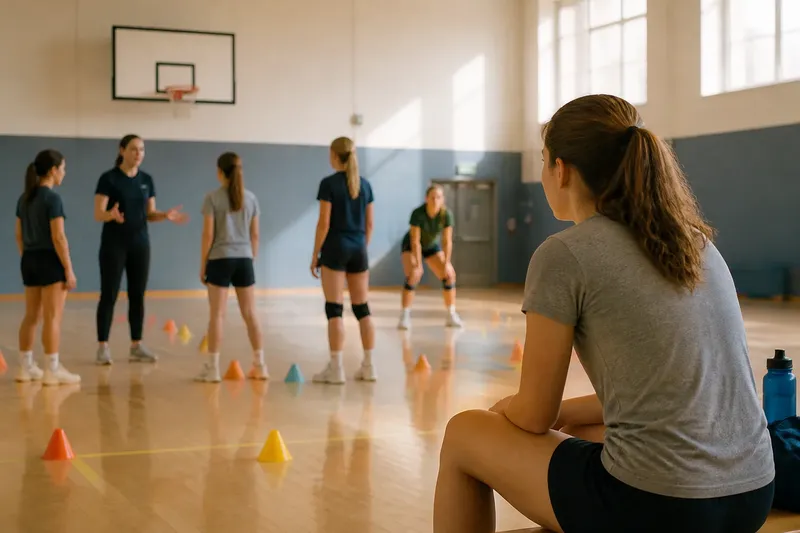
Say you play in a recreational volleyball club and miss practice because a family commitment runs late. At the next session, you ask the coach whether the team changed its serve-receive positions. The coach gives you the current arrangement, and you join the warm-up and drills with the group; the observable result is that you know where to stand and can participate without adding a separate repayment workout.
What should you ask after missing a session?
A few focused questions can reveal whether the absence has any practical consequence. Ask about information needed for today, not every detail of what happened while you were away.
- Did the group change the plan? Find out whether there is a new formation, drill, or routine you need to follow now.
- Is there a safety or equipment detail I missed? Ask for the instruction that affects your participation today.
- Where should I join in? Get a clear starting point instead of waiting for a perfect recap.
- Is there anything I should review before the next session? If the answer is yes, ask what is essential and what can wait.
For sport-specific limits, follow the coach’s direction and the relevant equipment or facility instructions. If an injury, illness, or health concern affects your return, seek advice from an appropriate health professional rather than treating extra practice as a way to compensate.
What if the missed session covered something important?
Some absences do leave a genuine gap. You may have missed a team decision, a partner assignment, or a skill that the next drill assumes you know. In that case, ask for the smallest useful bridge into the current work: a quick demonstration, a note from the coach, or a teammate’s explanation of the present cue.
There is a difference between catching up on information and repeating physical work. You may need to learn which route your team is using without performing every drill from the missed practice. Keep the request specific, and let the coach decide whether the group has a safe, practical way to bring you in.
What questions do players often have about missed practice?
Should I tell my coach why I was absent?
A brief explanation can help if it affects your return, availability, or the team’s plans. You generally do not need to share private details; state what the coach needs to know and ask what matters for today.
Should I train alone before coming back?
Only if you want to and it fits your usual routine, not because you owe the club a replacement session. If the missed practice involved team tactics or coach-led instruction, solo drills may not reproduce the information you need.
What if I feel behind when I return?
Ask for the current cue or starting position, then focus on the next piece of practice. Feeling out of rhythm at first can be a normal response to interruption; it does not by itself mean you must add another session.
When is a make-up session useful?
It can make sense when a coach recommends it for a specific learning need, or when you freely choose an extra session that suits your energy and schedule. Agree on its purpose so it remains an option, not a rule that every absence creates.
What is not worth the effort?
Recreating an entire missed practice from memory is rarely a good use of an evening. You may not know the exact drills, intensity, or coaching cues, and a solo imitation can miss the point of group work.
For amateur sport practice, the more useful reset is often modest: find out what has changed, join the next planned session, and let the routine resume there. An absence can remain an absence, rather than becoming a second task that follows you into the week.